
Life-Threatening 2026 U.S. Winter Storm: Safety Tips, Emergency Contacts, and Where to Get Help
Massive 2026 U.S. Winter Storm: What You Need to Know
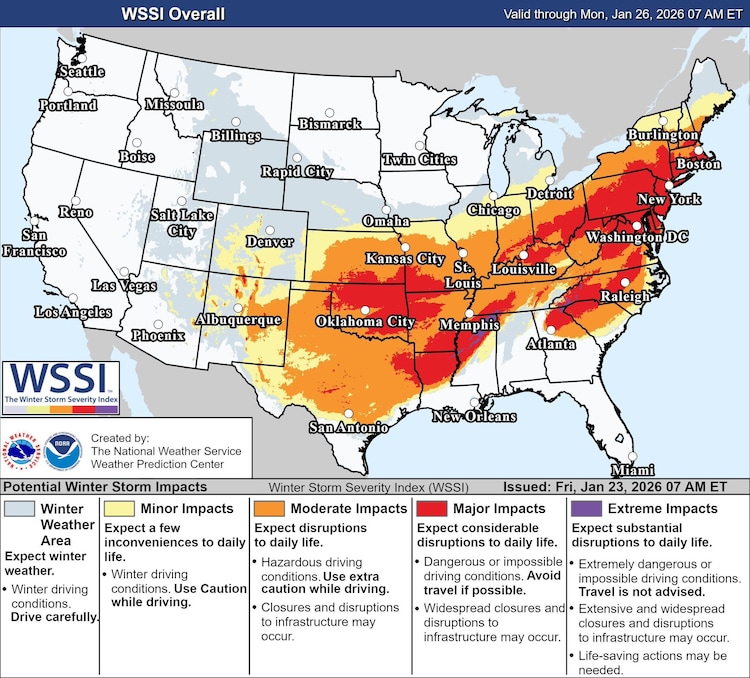
A powerful and widespread winter storm is bringing heavy snow, dangerous ice, and life‑threatening cold to large parts of the United States, from the South through the Plains and up into the Northeast. States of emergency have been declared in multiple states as travel shuts down, power lines are damaged, and millions are urged to stay off the roads. Federal agencies, including FEMA, and relief organizations like the American Red Cross are coordinating shelter, warming centers, and emergency assistance for affected communities.
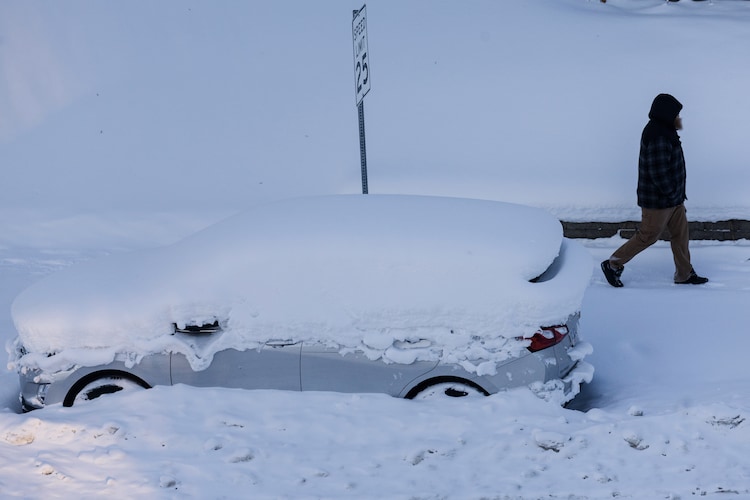
(Image idea 1 – horizontal): A wide shot of a U.S. city street buried in snow and ice, emergency vehicles and workers visible, with dark storm clouds overhead and pedestrians dressed in heavy winter gear.
Find Shelters and Disaster Relief in your area

Stay Safe During the Storm
If you are in the affected areas, authorities are urging people to stay home, avoid road travel, and prepare for disruptions that may last several days. Stock up on drinking water, non‑perishable food, flashlights, batteries, blankets, and necessary medications in case of power outages or blocked roads. Keep your phone fully charged, use it sparingly to preserve battery, and follow local officials on TV, radio, and social media for real‑time instructions and alerts.
Key safety reminders:
-
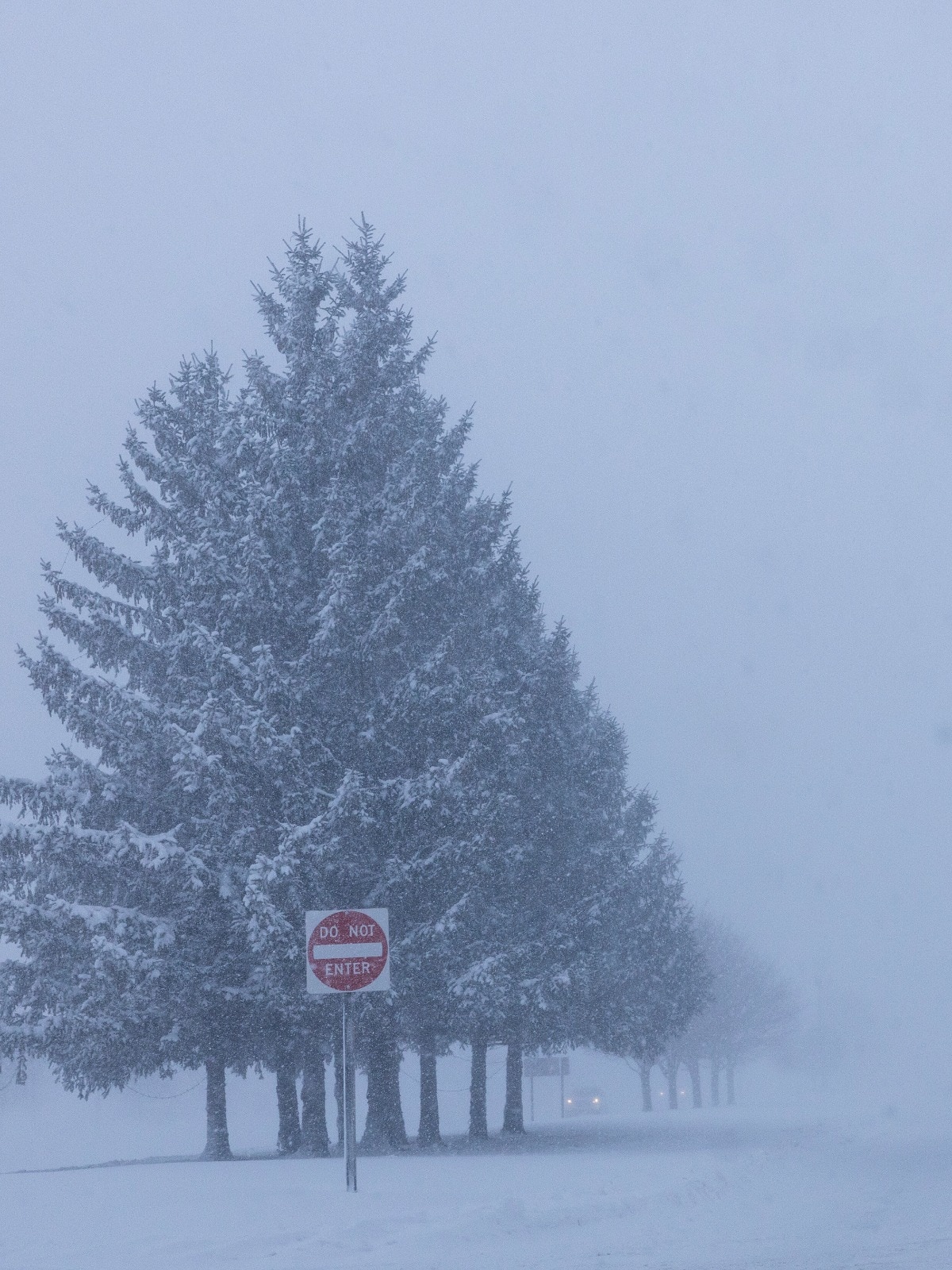
Stay off icy roads unless there is a true emergency; black ice and blowing snow can make driving deadly.
-
Never use outdoor grills, generators, or camp stoves inside your home or garage; they can produce deadly carbon monoxide.
-
Dress in layers, cover your head and hands, and limit time outdoors to avoid frostbite and hypothermia.
-
Check on elderly neighbors, people with disabilities, and anyone living alone if it is safe to do so.
(Image idea 2 – horizontal): Neighborhood scene with deep snow, one person knocking on a neighbor’s door, warm light from inside, showing community members checking on each other.
Where to Find Shelters and Warming Centers
The American Red Cross and local partners are opening and supporting warming centers and emergency shelters across multiple states from Texas to New England. These locations provide warmth, basic supplies, and a safe place to stay for people who have lost power, heat, or housing during the storm.
How to find a nearby shelter:
-
Visit the American Red Cross website shelter locator on redcross.org.
-
Use the free Red Cross Emergency app to see open shelters and warming centers.
-
Call 1‑800‑RED CROSS (1‑800‑733‑2767) for information on available shelters in your area.
-
Check state and city emergency management or USA.gov’s winter storm page for local shelter information and alerts.
(Image idea 3 – horizontal): Inside a community shelter or gymnasium, with cots, blankets, families sitting together, Red Cross volunteers assisting, and signage indicating a warming center.
Essential Emergency Contact Numbers (U.S.)
If you or someone you know is in immediate danger, always call 911 first for police, fire, or medical emergencies.
For storm‑related help and disaster assistance:
-
FEMA Helpline (Disaster Assistance):
-
1‑800‑621‑3362 (1‑800‑621‑FEMA) – Toll‑free helpline to apply for disaster assistance, get information, and receive referrals after a federally declared disaster.
-
-
FEMA General Information:
-
1‑202‑646‑2500 – Main FEMA contact number.
-
American Red Cross (national):
-
Shelters, disaster help, general assistance:
-
1‑800‑RED CROSS (1‑800‑733‑2767) – For shelter info, disaster assistance, and general support.
-
-
Military and families (Hero Care Center):
-
1‑877‑272‑7337 – Emergency communication for U.S. military members and their families.
-
Local and regional help (examples – replace with regional numbers as needed):
-
Many local Red Cross regions and city emergency offices operate 24/7 hotlines, such as (800) 675‑5799 for immediate disaster assistance in some areas.
-
Residents are urged to check their city or county emergency management website and social media for localized emergency numbers, shelter locations, and travel advisories.
(Image idea 4 – horizontal): Close‑up of a person indoors holding a phone displaying an emergency number or FEMA/Red Cross app, with snowy conditions visible through the window.
Practical Steps If You’ve Been Affected
If your home has been damaged, your power is out for a long time, or you cannot safely stay where you are, treat this as an emergency and seek help promptly. First, contact your insurance company if you have homeowners or renters insurance, then register with FEMA for potential disaster assistance through DisasterAssistance.gov, the FEMA mobile app, or the FEMA helpline. Keep receipts for temporary lodging, emergency repairs, and essential purchases, as they may be needed for insurance claims or assistance applications. If you cannot travel due to conditions, call the Red Cross or local emergency management to ask about transportation to shelters or wellness checks in your area.
(Image idea 5 – horizontal): A family sitting together in a dimly lit living room by lantern/flashlight, wrapped in blankets, using a smartphone to look up assistance information while snow falls outside.

For any questions/feedback regarding the above mentioned article, please do contact us anytime by clicking here