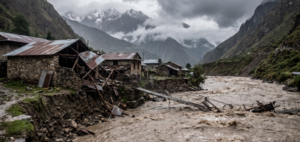
Impact of the Southeast Asia Cyclone – Full Disaster Report and Emergency Helplines
The 2025 Southeast Asia Cyclone season – driven by intense systems such as Cyclone Senyar and Cyclone Ditwah – has resulted in one of the most devastating natural disasters in recent memory. Torrential rainfall, severe winds, widespread flooding and landslides have caused catastrophic damage across Sri Lanka, Indonesia, Thailand and Malaysia. Updated regional assessments confirm that more than 1,270 people have lost their lives, with many others injured, missing or displaced.
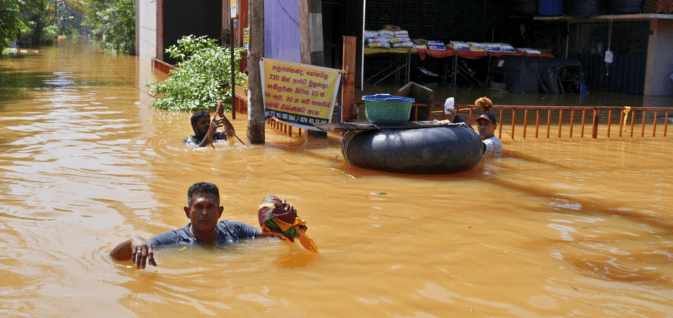
Widespread Impact Across the Region
In Sri Lanka, the impact of Cyclone Ditwah has been extensive. All major districts have been affected by relentless rainfall, rising floodwaters and multiple landslides. Homes, bridges, power lines and transport networks suffered heavy damage, forcing large-scale evacuations and leaving thousands without access to essential services.
Indonesia’s island of Sumatra was severely hit by Cyclone Senyar. Provinces including Aceh, North Sumatra and West Sumatra faced extreme flooding as rivers overflowed and landslides destroyed entire communities. Many rural areas remain inaccessible due to washed-out roads and collapsed infrastructure.
Southern Thailand and parts of Peninsular Malaysia also experienced destructive flooding. Communities were displaced, farmlands were submerged, and critical road networks were disrupted, creating major challenges for rescue and relief operations across the region.
Combined, these events represent one of the largest climate-related disasters in South and Southeast Asia in recent years.
Why the Southeast Asia Cyclone Escalated Quickly
The severity of the disaster was driven by the rare overlap of tropical cyclone activity and seasonal monsoon moisture. This combination created prolonged rainfall far beyond normal seasonal patterns. Drainage systems collapsed under the water pressure, riverbanks burst open, and unstable slopes triggered deadly landslides.
Many remote regions were cut off due to collapsed bridges, road blockages and communication failures. These conditions delayed rescue missions and worsened the humanitarian impact. Climate experts warn that such patterns reflect a rising trend of severe weather events linked to climate change in South Asia.
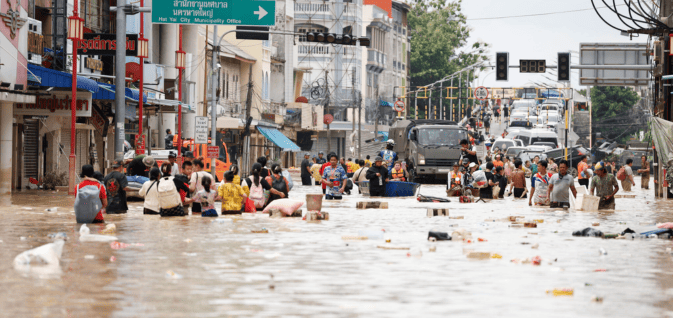
Emergency Helplines for Immediate Assistance
Authorities across the region have activated emergency hotlines to support residents, tourists and foreign nationals affected by the 2025 cyclone disaster. These lines are crucial for requesting rescue assistance, emergency evacuation, medical help or disaster-related information.
Sri Lanka Emergency Contacts:
- 247 – National disaster support helpline
- 117 – Disaster Management Centre emergency line
- 119 – Police emergency hotline
- 1990 – National ambulance and medical emergency service
- 1912 – Tourist emergency assistance hotline
- +94 773 727 832 – Foreign national emergency desk (WhatsApp available)
Residents in high-risk flood and landslide zones are strongly urged to contact these numbers if they require urgent support.
Supporting Relief and Recovery Efforts
Rescue teams, volunteer groups and humanitarian agencies continue to work around the clock across the affected countries. Communities are encouraged to support ongoing relief missions by donating essential items such as clean water, dry food, medicine, clothing and bedding.
Sharing accurate emergency helpline information helps ensure that timely aid reaches vulnerable families. People in affected regions are advised to follow local safety guidelines, avoid flooded areas and stay informed about weather updates and evacuation notices.
Looking Ahead – Strengthening Regional Resilience
The impact of the 2025 Southeast Asia and Sri Lanka cyclone highlights the urgent need for improved early warning systems, climate-resilient infrastructure and long-term environmental preparedness. As recovery efforts gain momentum, collaborative action between governments, organizations and communities will be essential to rebuild stronger and mitigate future climate-driven disasters.
For immediate authoritative support and official updates — including aid coordination, evacuation instructions, and real-time warnings — Sri Lankans are encouraged to visit the government disaster-management website: Disaster Management Centre (DMC) Sri Lanka
For any questions/feedback regarding the above mentioned products/brands,
please do contact us anytime by clicking here