Gift Ideas for New Couples – The 2026 Guide to Getting It Right
Gift Ideas for New Couples
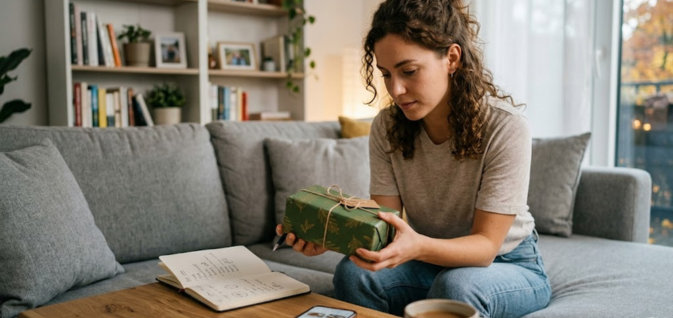
The early months of a relationship come with a particular kind of pressure when occasions arise. Birthdays, holidays, anniversaries measured in weeks rather than years. You want to give something that matters without overshooting, something that says you pay attention without suggesting you have already mapped out the next decade together.
New couples occupy an odd space. They know enough about each other to rule out generic options but not always enough to land on something with certainty. A gift given too early in a relationship carries weight it might not deserve. One given with too little thought can signal indifference. The balance sits somewhere in the middle, where intention meets restraint.
Most people spend between $50 and $200 on gifts for people they care about, according to data from The Knot 2024 Real Guests Study. The average sits around $150. But the number matters less than the reasoning behind the choice. A $40 item selected with precision can outperform a $300 one grabbed in haste.
When Presence Becomes the Present
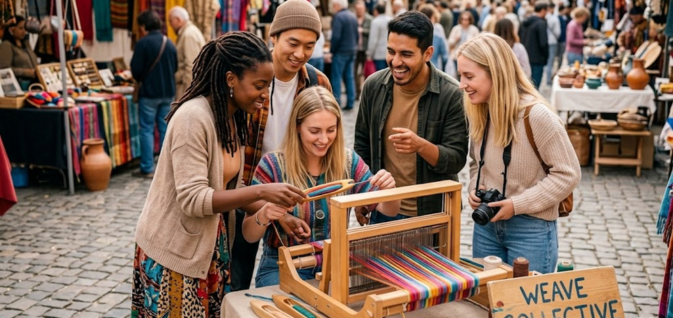
Some people express affection through words, others through time spent together, and a smaller group through the objects they give. For new couples still learning how the other person receives care, gift giving as a love language can reveal more about compatibility than months of conversation. A well-chosen item shows attention to detail, memory of passing comments, and a willingness to act on small observations.
The Knot 2024 Real Guests Study found that nearly half of wedding attendees give off-registry gifts, a sign that many people value personal meaning over practicality. Scratch-off date night cards, custom star maps, and personalized songs from services like Uncommon Goods rank among popular choices for couples who prefer gifts that carry a story rather than a price tag.
Personalized Items That Reference Specific Moments
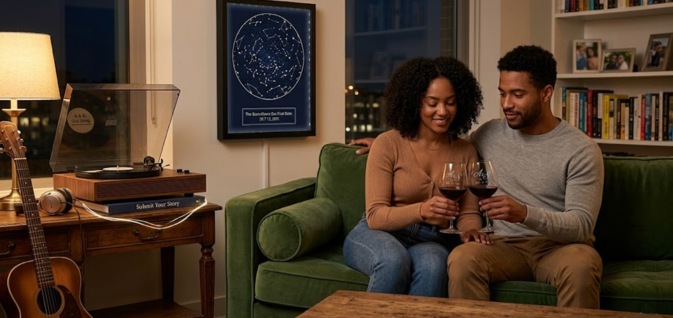
Engraved wine glasses with initials and a date work when the date means something to both people. A first meeting, a first trip, the night one of you finally admitted you were terrible at pool but kept playing anyway. The specificity is the point.
Custom star map light boxes show the exact arrangement of stars on a particular night. These appeal to couples who remember dates well and assign meaning to them. The object itself becomes a record of a moment that would otherwise exist only in memory.
Personalized songs take longer to arrive. Services like Uncommon Goods connect couples with musicians who write original pieces based on submitted stories. The songs run between 1 and 3 minutes. You provide the details, and someone else turns them into something you can play back.
Gifts That Create Future Plans
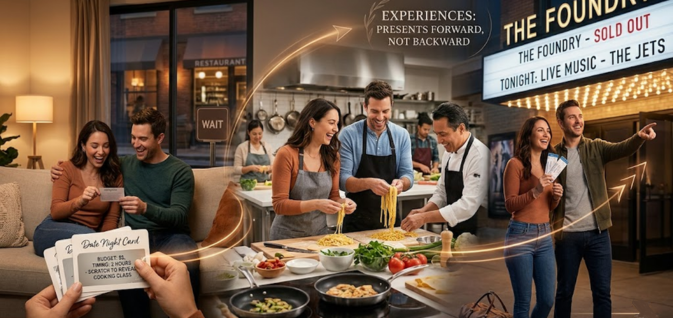
Scratch-off date night cards come in sets, often around 40 cards, with context clues about budget and timing for each activity. They remove the friction of deciding what to do on a given evening. You scratch one off, read it, and follow through. The cards turn planning into a small game.
Cooking classes for two require both people to show up and participate. The gift becomes a scheduled event rather than an object that sits on a shelf. Many couples respond well to this because it gives them a story to tell afterward.
Concert tickets, weekend trips, or reservations at restaurants with long wait times all fall into this category. The gift points forward instead of backward.
Practical Items With a Personal Touch

Not every gift needs to feel sentimental. Some couples appreciate things they will use regularly, especially if those things happen to be well-made.
Premium bedding sets and luxury linen tablecloths show up frequently on wish lists. These are items people want but rarely buy for themselves. A good set of sheets lasts years. The same applies to quality kitchen tools, ceramic dishware, or a solid cast iron pan.
Brick oven pizza dishware sets allow home cooks to replicate restaurant-style pizza at home. If one or both people in the couple cook often, items like this get used.
Small Gestures That Land Well
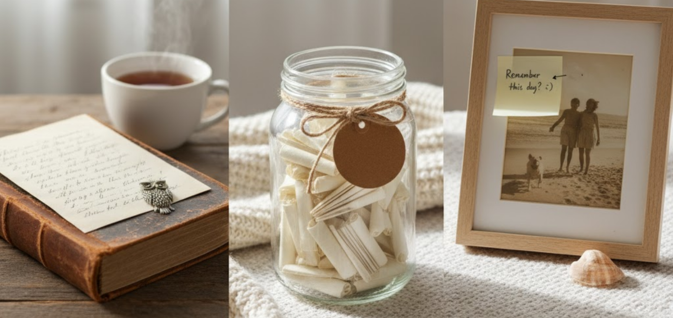
A handwritten letter paired with a small, inexpensive item often carries more weight than something elaborate. The letter provides context. The object provides something tangible to hold.
A book you read and thought they might like, with a note inside the cover explaining why. A jar filled with folded slips of paper, each listing something you appreciate about them. A framed photo from a day you both remember.
These gestures work best when they reference private knowledge, things only you would know to include.
Timing and Delivery
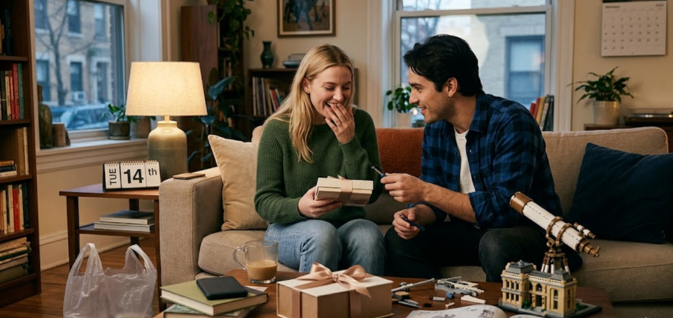
When you give a gift matters almost as much as what you give. Something presented on a random Tuesday can feel more personal than something handed over on a holiday when gifts are expected. The unexpectedness adds meaning.
Wrapping matters too. A gift placed in a box with a ribbon suggests effort. One handed over in a plastic bag suggests the opposite.
If you give something that requires assembly or setup, offer to do it together. The process of setting it up can become part of the memory attached to it.
When You Don’t Know What to Give
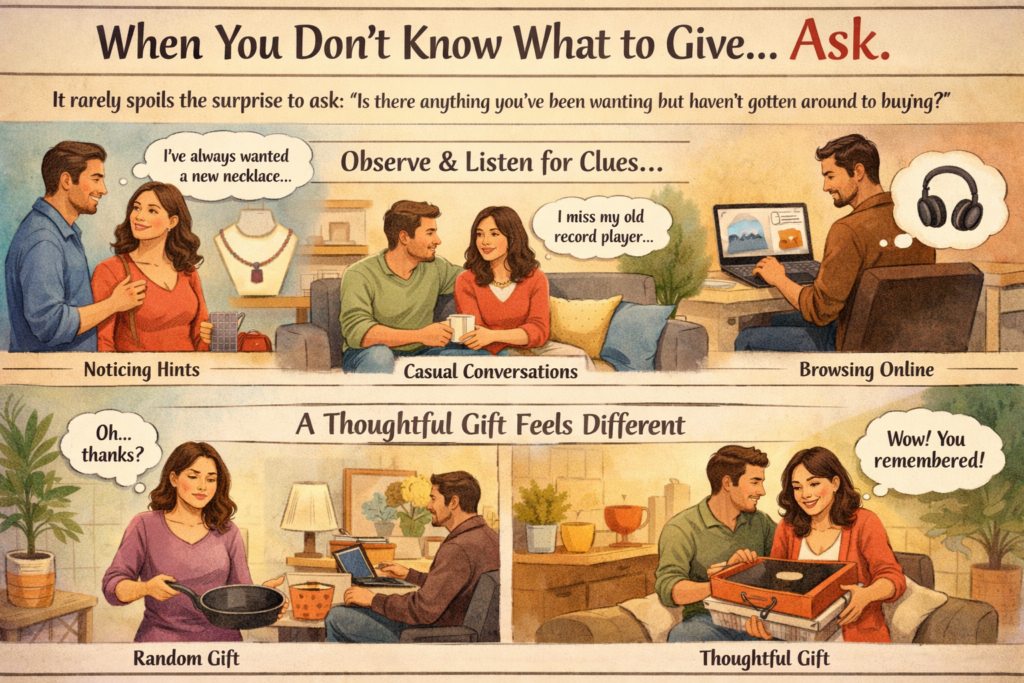
Ask. New couples sometimes avoid asking directly because they worry it will spoil the surprise. It rarely does. A question like “Is there anything you’ve been wanting but haven’t gotten around to buying?” can yield useful information without giving away your plan.
Alternatively, pay attention over the course of several weeks. People mention things they want in passing. They pause on certain items when browsing. They talk about things they used to have but lost. These small clues add up.
A gift chosen after observation feels different from one chosen at random. The recipient can usually tell which is which.
For any questions/feedback regarding the above mentioned article, please do contact us anytime by clicking here