Fashion Exhibitions in Museums: How Europe and the US Are Reframing Fashion as Culture
Fashion exhibitions Across Europe and the US, a powerful wave of exhibitions is reframing fashion, not just as design, but as cultural memory, identity, politics, and lived experience. From Limerick to Venice, Belfast to New York, institutions are making the compelling argument that fashion belongs in the museum, not as spectacle alone, but as a vital cultural language.
Fashion exhibitions in Ireland explore heritage and identity
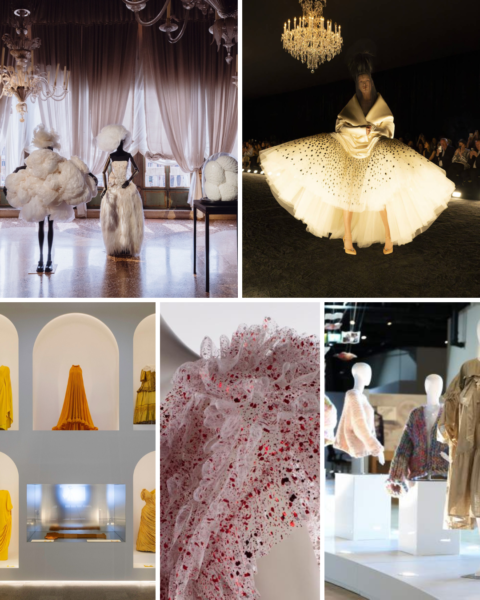
In Ireland, exhibitions like The Hunt Museum’s fashion programming in Limerick signal a growing recognition that clothing carries deeply local narratives of craft, class, and community. These shows remind us that fashion is not only about couture houses but about regional identity: who we are, how we present ourselves, and what we inherit.
That idea is echoed strongly at the Ulster Museum, where fashion and textiles are embedded within a broader historical collection in the Ashes to Fashion exhibition. With thousands of garments destroyed in the Malone House fire in 1976, the Ulster Museum has worked to build its collection back through acquisitions, and the feature of the fire’s sole survivor, the Lennox Quilt, an exquisite 18th-century embroidered quilt that only survived due to it being on display at the time of the fire. Now, the museum showcases pieces from designers including the late Paul Costelloe, JW Anderson and Alexander McQueen.
The Northern Threads exhibition at Titanic Belfast, extends this narrative, focusing on textile heritage and the labour behind it. These exhibitions root fashion in place, showing how industry, craft, and identity intertwine. They challenge the assumption that fashion is inherently global by revealing how deeply it is also local.
While Irish institutions emphasise heritage, major international museums are pushing fashion further into the realm of conceptual art. At London’s Victoria and Albert Museum, Schiaparelli: Fashion Becomes Art makes the case explicit. The exhibition explores Elsa Schiaparelli’s collaborations with surrealist artists and her radical approach to dress as a medium of artistic expression. With over 200 objects, it dissolves the boundary between gallery and wardrobe, presenting garments as imaginative, even subversive, works.
Over in New York, the Metropolitan Museum of Art continues this dialogue through its Costume Institute. Its latest exhibition examines the relationship between clothing and the body, positioning fashion as a way of thinking about identity, movement, and perception. The Met’s annual fashion exhibitions are much more than the annual gala event and have long blurred the line between spectacle and scholarship, but their continued expansion signals something deeper: fashion is now central to how museums engage audiences. We applaud the contribution of Irish activist to this show.
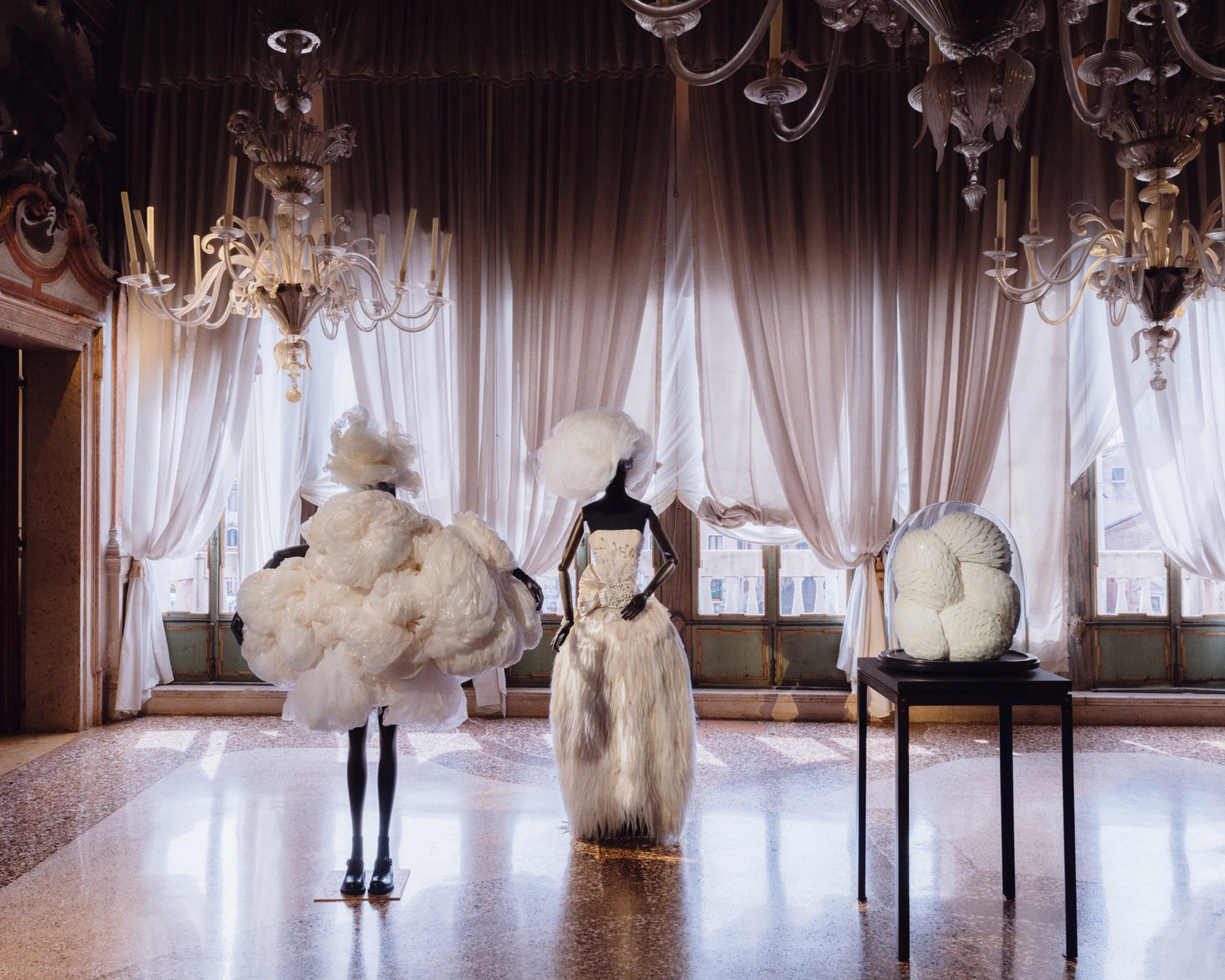
In Venice, the Fondazione Dries Van Noten offers a different perspective. Its inaugural exhibition, The Only True Protest is Beauty, expands the conversation to include art, craft, and the philosophy of making. Rather than focusing solely on garments, it explores the role of craftsmanship and the human drive toward beauty. Fashion here becomes a gateway into something broader: a meditation on creativity itself. This shift is significant. It suggests that fashion exhibitions are no longer confined to fashion, they are becoming interdisciplinary spaces where art, design, and culture intersect.
What ties these exhibitions together is not just their subject matter, but their insistence that fashion is a cultural experience. Museums have always been spaces of storytelling. By embracing fashion, they gain access to stories that are immediate and embodied. Clothing is intimate; it touches the skin, moves with the body, and signals identity in ways that paintings or sculptures often cannot. It carries memory of eras, of individuals, of movements.
For any questions/feedback regarding the above mentioned products/brands,
please do contact us anytime by clicking here